Book
How do you picture an entire winter’s worth of Keweenaw snow?
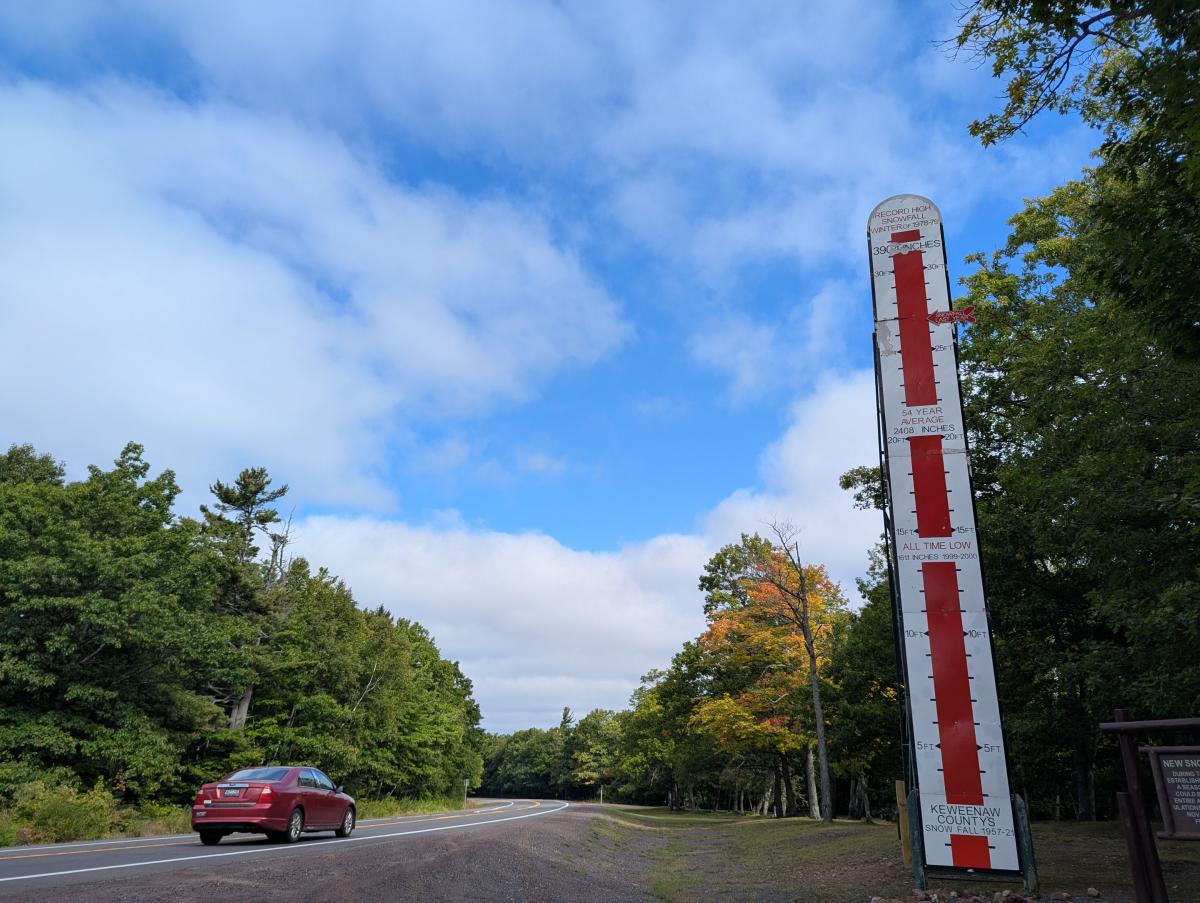
Start by looking up at the Keweenaw Snow Gauge.
The Keweenaw Snow Gauge, also lovingly known as the Keweenaw Snow Thermometer, is a towering roadside attraction on US-41 north of Mohawk in Michigan’s Upper Peninsula. Its most noteworthy benchmark is Keweenaw County’s record at a whopping 390.4 inches of snowfall during the winter of 1978–79—more than 32 feet in just one season.
Pull over for a picture, stretch your legs, and dive into one of the Copper Country’s iconic landmarks. Even on a summer afternoon, this stop gives you something to think about before you complain about snow where you’re from.
If you’re looking for real-time conditions before making the drive, check our Snowfall & Trail Conditions Page for live updates.
Where Is the Keweenaw Snow Gauge?
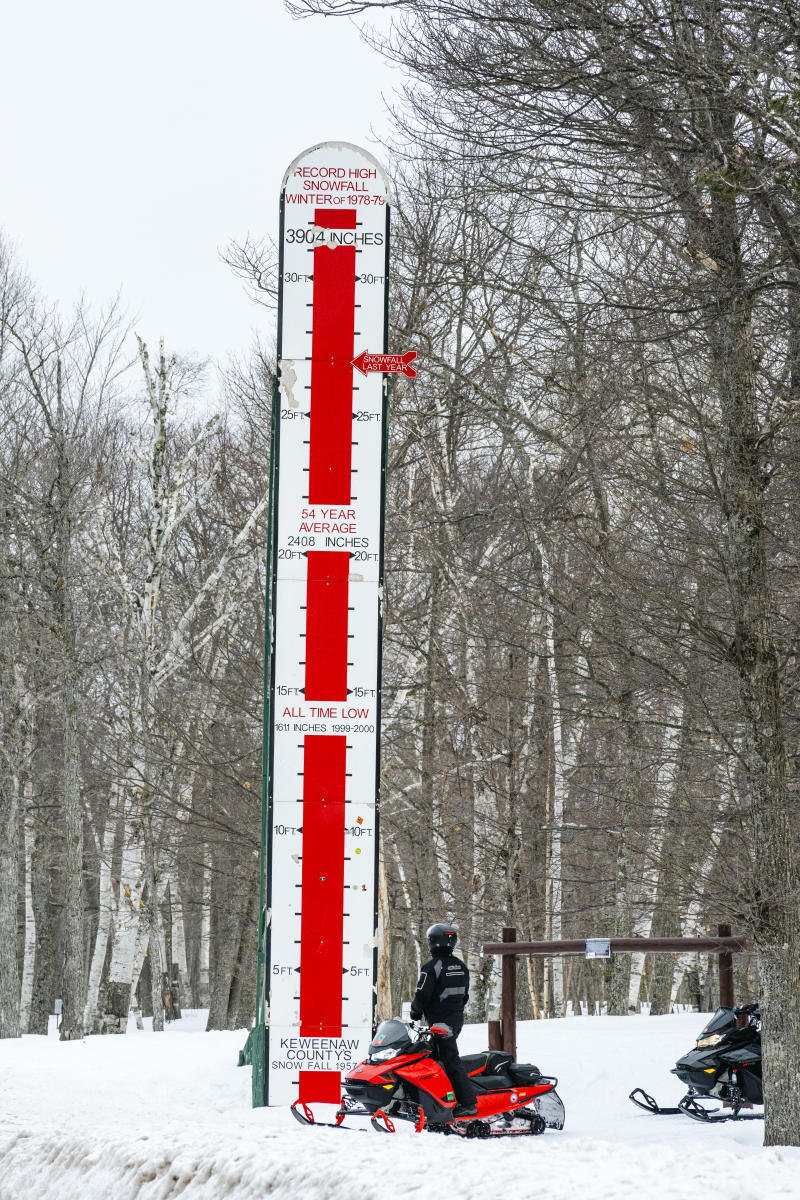
It's impossible to miss this enormous red and white sign. The Keweenaw Snow Gauge is located at the aptly named Snow Gauge Park along US-41, between Mohawk and Phoenix in Keweenaw County. Traveling north from Mohawk, look for the roadside park on your right just north of the Seneca #3 Mine Bat Cave site.
It’s an easy addition to a drive through the northern Keweenaw: a chance to pause between communities and see one of the peninsula’s most recognizable roadside landmarks.
Use our Keweenaw Snow Gauge listing to pin this stop on your map. Enter the roadside pull-off directly from US-41, be mindful of the nearby highway and keep photography within the park.
What Does the Snow Gauge Show?
Despite its thermometer nickname, the Keweenaw Snow Gauge tells a snowfall story – not a temperature reading. The tower puts seasonal snow totals into perspective, with historical benchmarks and a marker updated each spring to show the previous winter’s total.
Seasonal snowfall is the total amount of new snow measured throughout winter, not the depth sitting on the ground at one time. Snow settles, compacts and melts between storms.
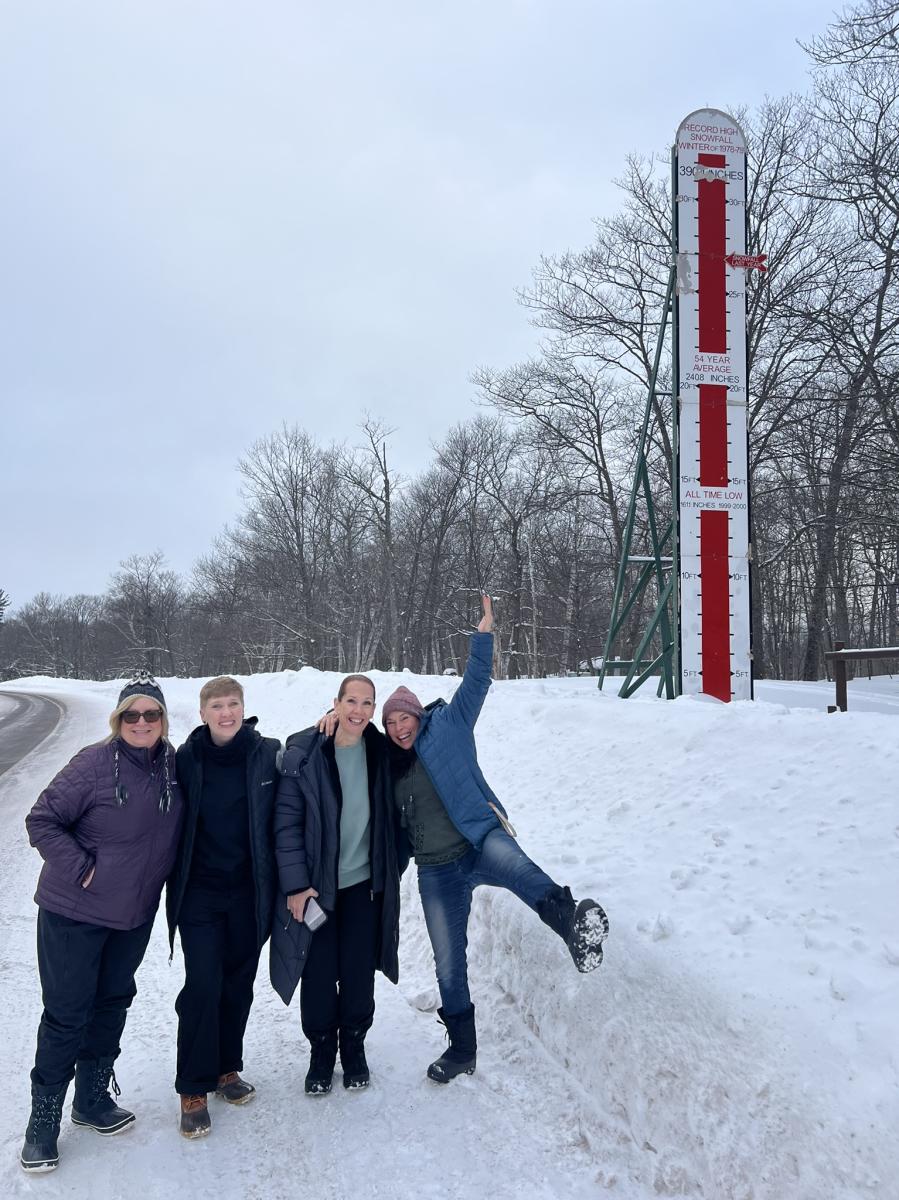
Stand beside it for a photo and try to fit both yourself and the record mark in the frame. That’s the Keweenaw rite of passage!
The Winter That Brought 390.4 Inches of Snow
The winter of 1978–79 remains the snowfall benchmark listed by the Keweenaw County Road Commission: 390.4 inches, or 32 feet, 6.4 inches.
The monthly totals tell the story of a relentless season:
|
Month |
Snowfall |
|
November 1978 |
49.2 inches |
|
December 1978 |
116.4 inches |
|
January 1979 |
111.4 inches |
|
February 1979 |
53.0 inches |
|
March 1979 |
52.6 inches |
|
April 1979 |
7.8 inches |
|
Season total |
390.4 inches |
December and January together delivered nearly 19 feet of snow. The roadside gauge makes that extraordinary winter easier to imagine, whether you’re visiting for a snowy getaway or exploring long after the spring thaw.
How Much Snow Does Keweenaw County Get?
The Keweenaw Peninsula is no stranger to a 250+ inch winter of snow. Actual totals vary by winter and location, so a historical average provides context rather than a forecast for your trip.
For visitors, the gauge offers a larger-than-life introduction to the winters that help shape the Keweenaw’s identity. For those who live here, it’s a familiar reminder that snow is part of everyday Copper Country life.
Curious about historical snowfall data in the Keweenaw? Check out this page!
Follow the Snow: Keweenaw Snowfall & Trail Conditions
The snow gauge tells the story of memorable winters. Want to see how this season is adding up?
Visit our Keweenaw Snowfall & Trail Conditions page to follow snowfall totals reported by the Keweenaw County Road Commission and find updates on winter recreation across the peninsula.
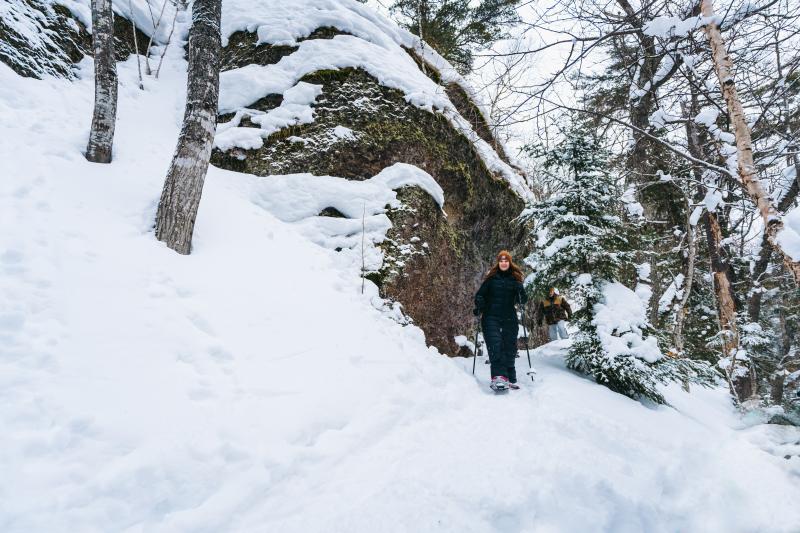
Whether you’re planning a snowmobile trip, a ski weekend or a snowshoe adventure, make it part of your trip planning. Check the dates on individual reports, explore conditions for your favorite activities, and follow along as another Keweenaw winter climbs toward its place on the gauge.
Make It Part of Your Keweenaw Road Trip
The best roadside stops give you a story to take home. Here, it’s a winter measured in feet, a photo that makes your friends look twice, and a glimpse of the snowy reputation woven into the Keweenaw’s identity.
Pair your stop with exploring the Mohawk area, then continue your adventure through the northern peninsula. Whatever season brings you here, leave a little room in your itinerary to pull over and look up.